
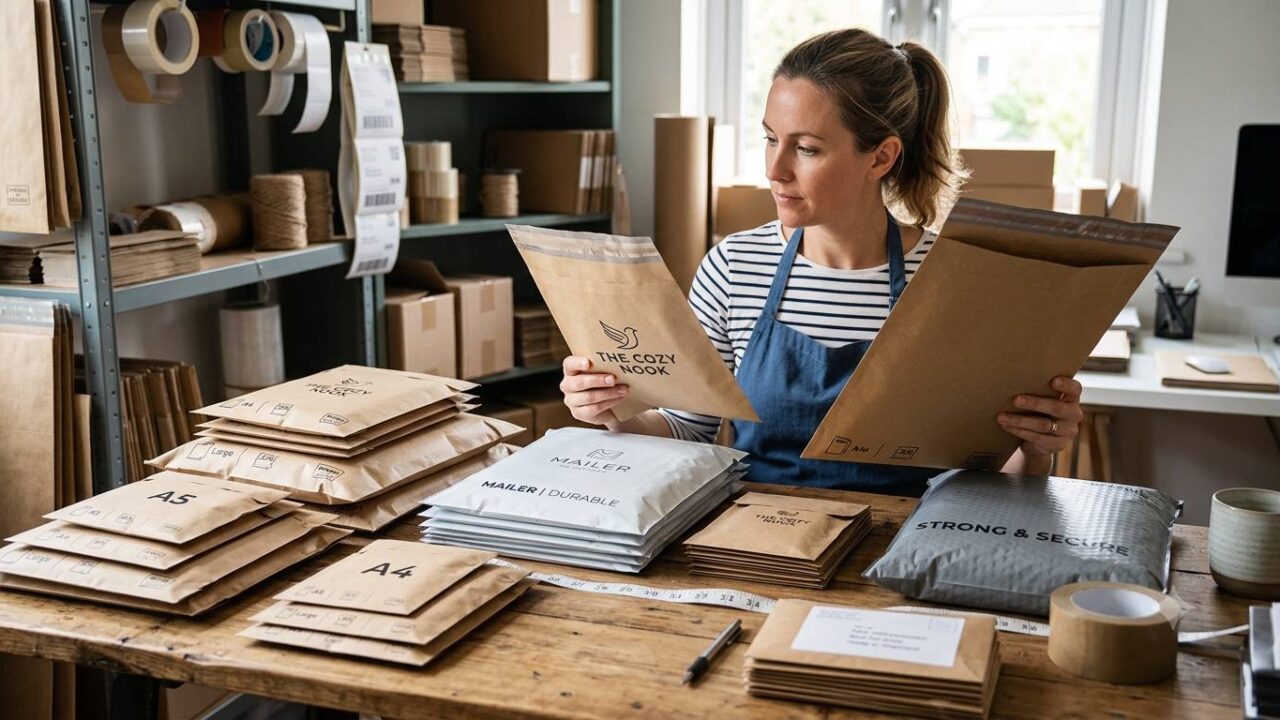

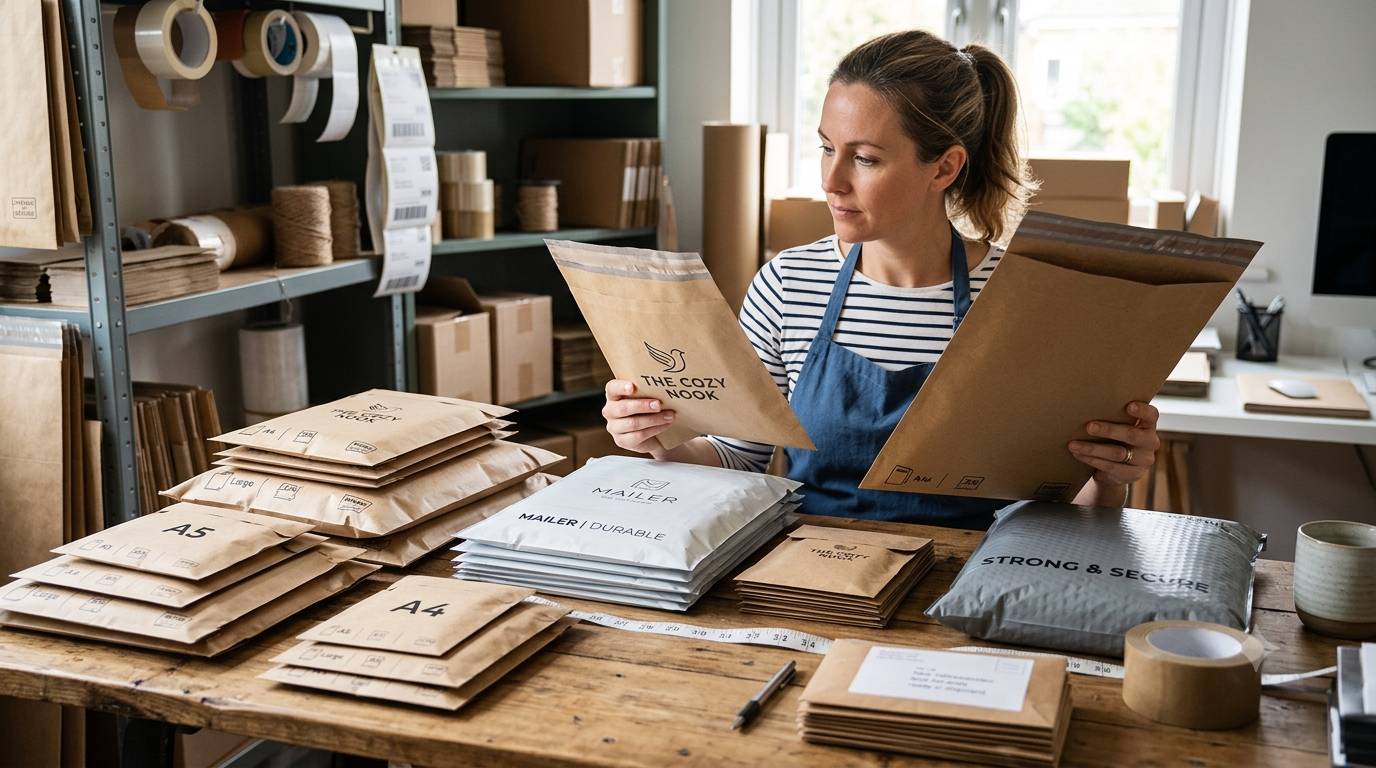
Choosing the right mailing bag is not only about appearance. Size and strength affect protection, packing speed, postage efficiency, and presentation. A well-fitted bag reduces excess material, while suitable strength helps parcels handle normal delivery conditions. This guide explains how to choose practical, secure packaging for everyday business shipping needs.
Packaging has a simple job: protect the product and help it arrive in good condition. Yet the wrong bag can create unnecessary movement, wasted material, or awkward packing. For businesses sending clothing, accessories, subscription items, or other non-fragile goods, custom postage bags can provide a lightweight and professional solution. The best choice depends on the packed dimensions, available space, and protection needed during handling. By considering size and strength together, businesses can choose packaging that is easier to fill, secure to seal, efficient to store, and better suited to the products they send on a regular basis across every order.
Measure the Product Before Choosing a Size
Start with the product as it will actually be packed. Measure its length, width, and depth after folding or wrapping it. Allow enough room for easy insertion and sealing, but avoid excessive empty space.
Stock options include small, medium, large, and extra-large mailing bags, while custom sizes are available on request. Choosing a closer fit can make the parcel look neater, reduce unnecessary material, and help limit movement of the contents during transit.
Avoid choosing the largest available bag simply because it is easier to pack. Excess space can make a parcel feel less tidy and may use more packaging than necessary. The aim should be a comfortable fit rather than a tight or oversized one.
Match Strength to the Contents
Bag strength should suit the weight, shape, and handling needs of the product. The available printed mailing bags use 60-micron Co-Ex material, providing a lightweight option intended for everyday shipping.
The supplier also describes its poly mailing bags as tear-resistant and water-resistant, making them suitable for many non-fragile products. Before packing, check for sharp edges, hard corners, or unusually heavy parts. Flexible mailing bags work best when the contents do not need rigid outer protection.
Strength should therefore be considered alongside the nature of the item. Using suitable packaging helps prevent unnecessary damage while avoiding packaging that is heavier or bulkier than the product requires.
Balance Size and Strength Together
A larger bag is not automatically a stronger bag. Size determines capacity, while material construction affects how the package performs during handling. The best result comes from matching both factors to the product.
When ordering custom postage bags, review the parcel sizes you send most often. Keeping more than one size available can prevent oversized packaging from becoming the default and can make everyday fulfilment quicker and more consistent.
Useful extras can also improve practicality. Options listed by the supplier include a double seal for return parcels, perforations for easier opening, and a punched handle for carrying. Choose these features according to how customers are likely to receive, open, carry, or return their orders.
Keep Branding Practical
Once the right size and strength are established, printing can support a consistent brand presentation. Available options include spot colours and CMYK printing, giving businesses scope to add logos, colours, and branded designs.
Good packaging should also work efficiently behind the scenes. A bag that is straightforward to fill and seal can help keep the packing process organised. Standardising your most-used sizes may also simplify stock control and reduce last-minute decisions during busy periods.
FAQs
How much spare room should a mailing bag have?
Leave enough room to insert the product comfortably and close the adhesive seal without stretching the material. Avoid unnecessary empty space, as a closer fit usually creates a neater parcel.
Are larger mailing bags stronger?
No. Bag size controls capacity, while the material determines strength. Choose the smallest practical size that comfortably fits the packed item.
Can I request a custom size?
Yes. Custom sizes are available on request when the standard small, medium, large, or extra-large options do not suit your regular products.
What feature can make returns easier?
A double-seal option allows the bag to be sealed again for a return parcel, helping make the return process more convenient.
Are mailing bags suitable for heavier items?
They can suit items such as clothing bundles and accessories when the correct size and material are chosen. Consider the weight, shape, and need for rigid protection before making a final choice.
Final Overview
Choosing the right mailing bag becomes easier when you focus on the packed size of the product, its weight and shape, and the protection it needs during delivery. Measure items before ordering, avoid unnecessary spare space, and make sure the bag can be filled and sealed comfortably. Strength should be matched to the contents rather than judged by size alone.
Optional features such as double seals, perforations, and punched handles can add useful convenience where they suit the way customers receive, open, carry, or return an order. Printing can then bring practical packaging together with a consistent brand identity. Well-chosen custom postage bags help create parcels that are neat, lightweight, easy to handle, and better suited to everyday fulfilment, giving businesses a practical balance between protection, presentation, and packing efficiency. This thoughtful approach can also reduce avoidable packaging waste while keeping the delivery experience simple, secure, and visually consistent for customers.
 Mike Wilson