

British weather often shortens the time people spend outdoors. Sunshine can feel too intense, while sudden showers send everyone indoors. A practical solution sits between these extremes and restores usable outdoor space across more of the year.
A retractable waterproof awning provides shade on bright days and reliable cover when rain arrives, then folds away when open skies are preferred. This combination of protection and flexibility turns a patio or terrace into a space that works in a wider range of conditions.
How Waterproof Fabric Differs from Water-Resistant Options
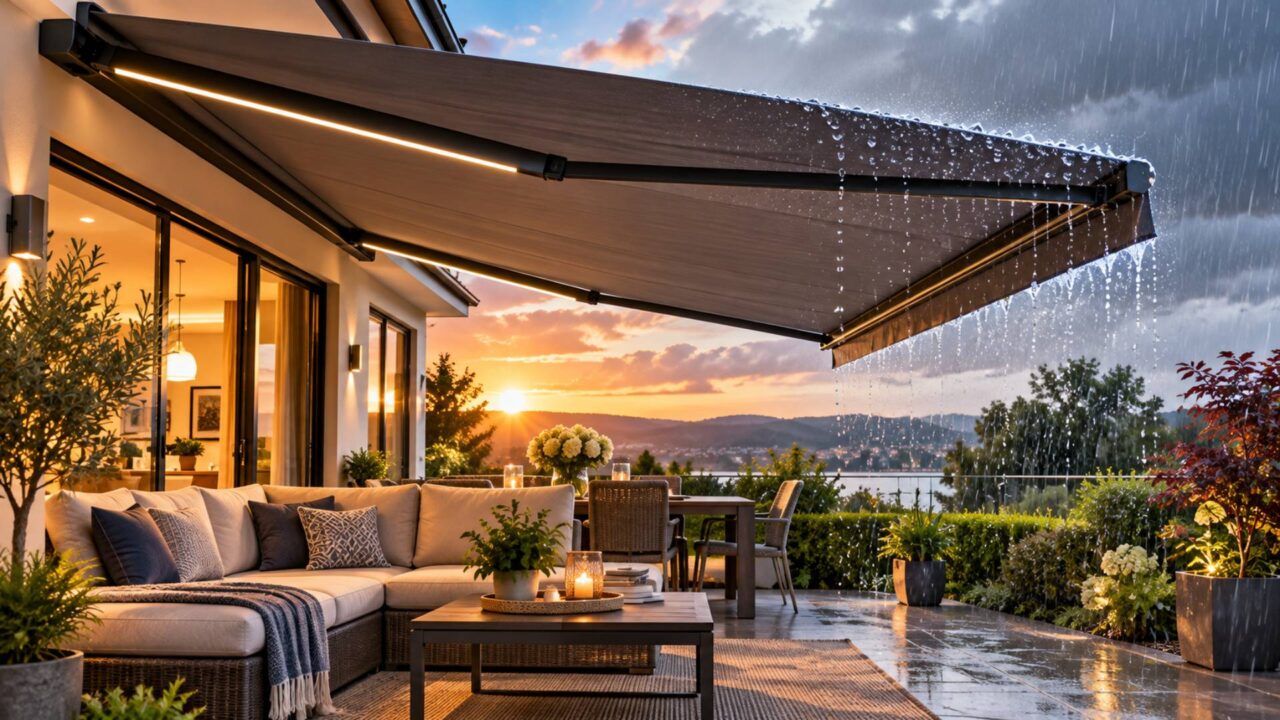
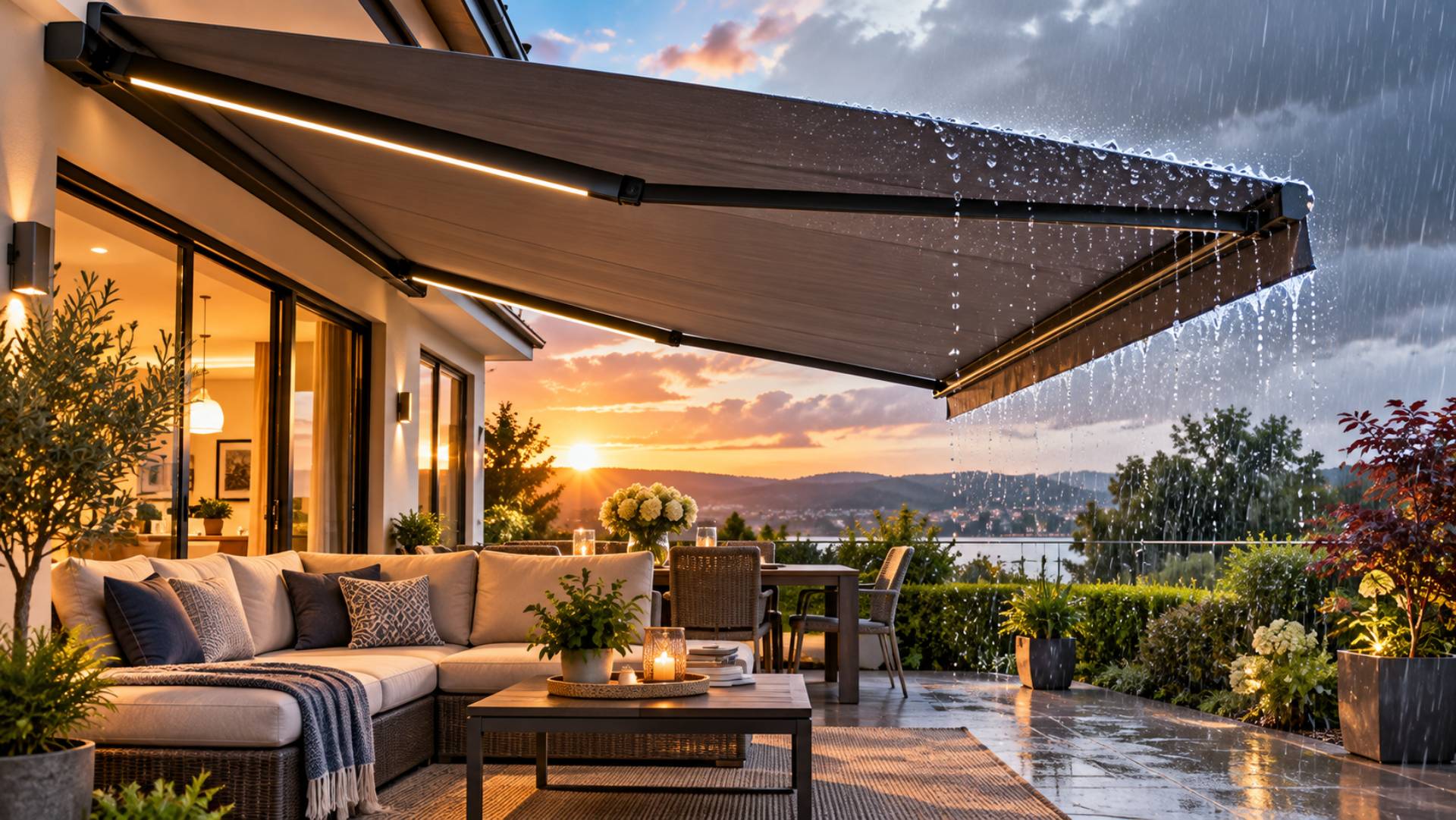
Not every awning fabric handles rain the same way. Water-resistant materials shed light showers for a time but can eventually saturate. Waterproof fabrics are engineered so water does not pass through the weave. When the canopy is set at a suitable pitch, rain runs off toward the front edge rather than pooling.
This difference matters in practical terms. Under a waterproof canopy the area below stays dry during sustained rain, allowing meals, reading or conversation to continue without interruption. The same fabric usually includes UV protection, blocking a high proportion of ultraviolet light so the space remains cooler and more comfortable in strong sun.
Many modern fabrics also resist mould and mildew, which is useful in the UK’s damp climate. When the awning is retracted into a full cassette, both the fabric and the mechanism stay protected from the elements, helping the product last longer.
Extending Usable Hours Through Shade and Shelter
On warm days the awning creates immediate shade. Furniture and surfaces stay cooler, and people can sit outside during the middle of the day without seeking indoor relief. In the evening the same canopy can remain extended, especially if optional lighting is fitted, so outdoor time continues after sunset.
When rain develops, the waterproof cover keeps the space dry. Instead of abandoning plans, users simply stay under the canopy. This single feature often turns an otherwise unusable afternoon into a comfortable outdoor period.
In cooler months the addition of infrared heaters can further lengthen the season. Combined with the waterproof canopy, these units make mild spring and autumn evenings practical for outdoor use without the need for a permanent structure.
Flexibility Compared with Fixed Covers
Fixed canopies or pergolas provide permanent cover but cannot be removed when full sun is wanted. A retractable system offers choice. Extend it for protection, retract it for open air. This adaptability suits changeable British conditions and avoids the feeling of living under a permanent roof.
Wind sensors can automatically retract the awning if gusts rise above a safe level, protecting both fabric and arms. Rain sensors perform a similar role when rainfall becomes heavy. These optional features reduce the need for constant monitoring and help prevent damage during sudden weather changes.
Practical Points to Consider Before Installation
Several factors influence how well an awning performs:
- Accurate measurement of wall space and required projection ensures the canopy covers the intended area.
- Fabric colour and pattern affect both appearance and heat absorption; lighter tones generally stay cooler.
- Frame colour should complement the exterior of the property for a coherent look.
- Pitch angle must allow effective water run-off while still providing useful shade.
- Local planning rules usually class residential retractable awnings as permitted development, but checking with the authority removes uncertainty.
- Professional fitting secures the brackets correctly and calibrates the mechanism for smooth operation.
A free site survey allows these details to be assessed in context and helps match the specification to the specific outdoor space.
Maintenance and Long-Term Use
Routine care is straightforward. Periodic cleaning with mild soapy water and a soft brush removes dirt and pollen. Harsh chemicals and pressure washing should be avoided because they can damage the waterproof coating. Allowing the fabric to dry fully before prolonged retraction prevents trapped moisture.
During winter or extended periods of non-use the awning is best left retracted inside its cassette. This protects the material from prolonged exposure and keeps the mechanism ready for the next season.
With proper care a well-specified waterproof retractable awning can remain functional for many years, providing consistent shade and rain protection whenever needed.
When Professional Advice Is Useful
Complex wall constructions, unusual projections or the addition of heating and lighting systems benefit from experienced assessment. An installer familiar with the product range can confirm structural suitability, advise on sensor placement and ensure the finished installation meets both performance and safety requirements.
Closing Remarks
A waterproof retractable awning extends the outdoor season by offering reliable shade in strong sun and dry cover in rain, then retracting when open skies are preferred. The combination of genuine waterproof fabric, UV protection and optional heating or lighting turns a patio into a flexible living space that works across more months of the year.
Choose a system matched to the size and orientation of the outdoor area, ensure professional installation, and maintain the fabric with simple regular cleaning. These steps deliver consistent protection and flexibility, making outdoor time practical in a wider range of British weather.