

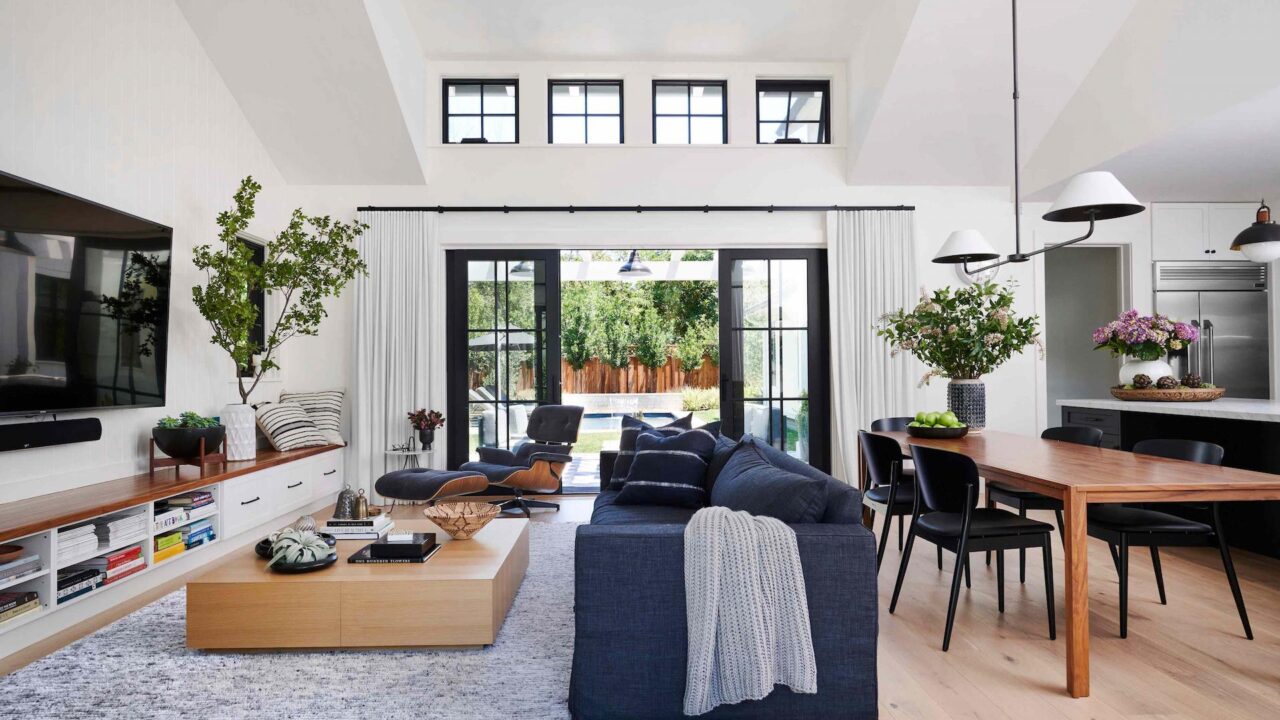




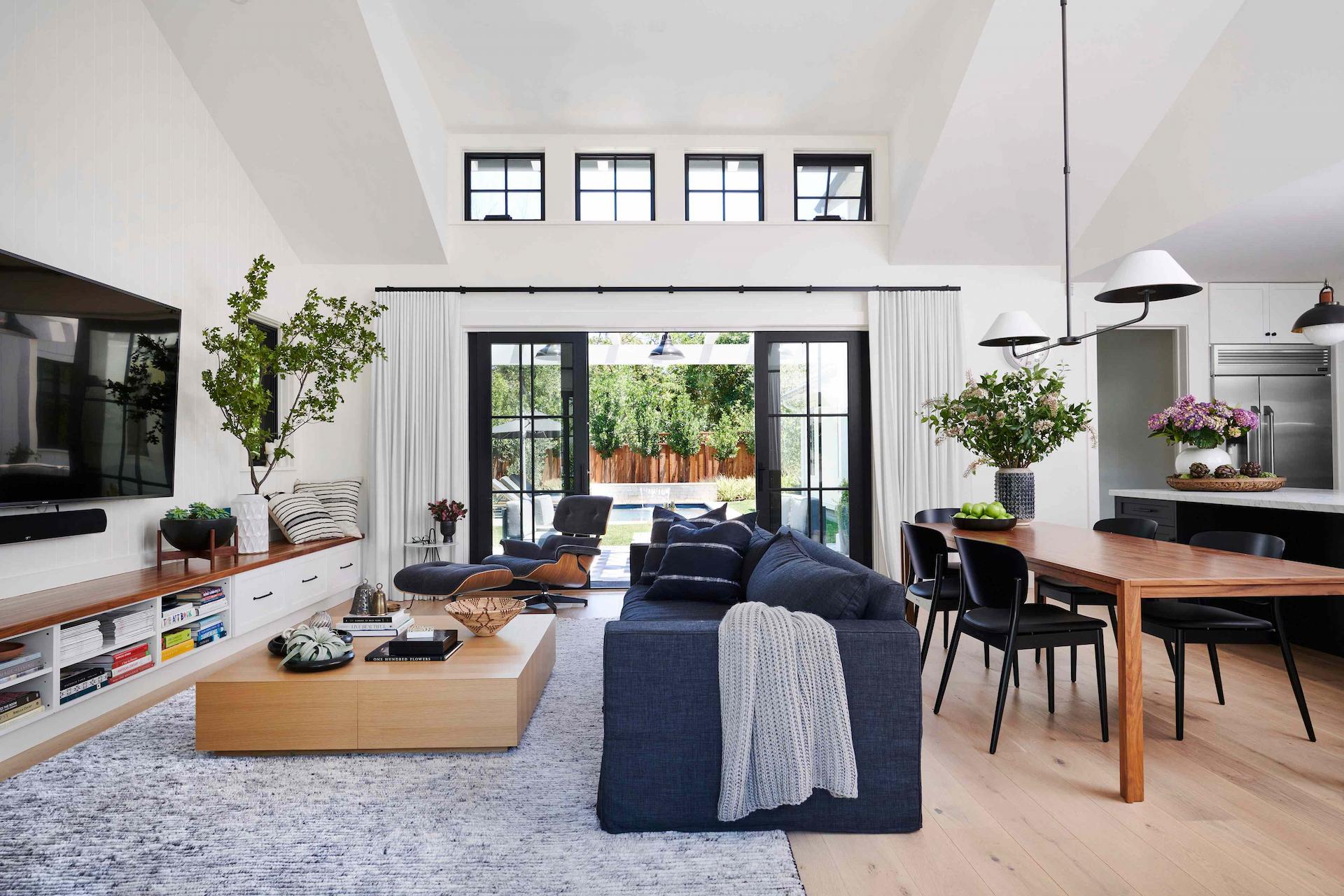
Thinking about creating an open floor plan? Before removing a wall, understand the real advantages, hidden drawbacks, structural requirements, costs, and design considerations. This guide explores how open-concept living affects light, privacy, noise, entertaining, and daily life. Learn when an open layout makes sense, when defined rooms may work better, and how to make informed renovation decisions that suit your home, lifestyle, and long-term needs.
Introduction
Open floor plans have been one of the most influential home design trends of the past few decades. By removing walls between kitchens, dining rooms, and living areas, homeowners create larger, brighter spaces that feel modern and welcoming.
For many people, open-concept living delivers exactly what they want. For others, the reality can be more complicated. While these layouts offer flexibility and connection, they can also introduce challenges that are often overlooked during the planning stage. Before reaching for a sledgehammer, it is worth understanding both sides of the conversation.
Why Open Floor Plans Became So Popular
Traditional homes were typically divided into separate rooms, each serving a specific purpose. Modern lifestyles gradually shifted preferences toward larger, more connected spaces.
Open floor plans create a sense of openness that many homeowners find appealing. By reducing barriers between rooms, natural light can travel more freely throughout the home, making interiors feel brighter and larger than they actually are.
The layout also supports modern family life. Parents can prepare meals while keeping an eye on children, and conversations can continue across different activity zones without interruption. For people who enjoy hosting guests, open spaces often make entertaining easier and more comfortable.
The Biggest Benefits of Open Floor Plans
One of the strongest advantages is improved natural light distribution. Interior walls can block sunlight, creating darker sections of a home. Removing those barriers allows light to reach more areas throughout the day. Another benefit is improved visibility. Families with young children often appreciate being able to supervise activities while cooking, working, or completing household tasks.
Open layouts can also make homes feel larger. Even when square footage remains unchanged, fewer visual barriers create a stronger sense of spaciousness. Furniture arrangement tends to be more flexible as well. Without multiple walls defining each room, homeowners have greater freedom to create layouts that suit their changing needs.
Entertaining is another area where open floor plans shine. Guests can move comfortably between kitchen, dining, and living areas without feeling separated from the main gathering space.
The Drawbacks Many Homeowners Discover Later
While open floor plans offer clear benefits, living with them every day can reveal some unexpected challenges. Noise is often the biggest complaint. In a traditional home, walls help contain sound. In an open layout, conversations, television noise, kitchen appliances, and children’s activities can travel throughout the entire space.
Privacy can also become an issue. Finding a quiet place to work, study, read, or take a phone call may be difficult when multiple activities are happening in the same area. Cooking smells present another common challenge. While range hoods help, strong food aromas can spread throughout the living space rather than remaining confined to the kitchen.
Visual clutter becomes more noticeable as well. In an open-concept home, a messy kitchen is often visible from the living room and dining area. Maintaining a tidy appearance typically requires more consistent organisation. Heating and cooling costs may also increase in some homes. Larger, uninterrupted spaces can be more difficult to regulate efficiently, particularly in older properties.
Is an Open Floor Plan Right for Your Lifestyle?
The answer depends largely on how you use your home. Families who enjoy spending time together in shared spaces often appreciate the connected feeling an open layout provides. People who entertain regularly may also find the arrangement highly practical.
However, households with remote workers, teenagers, students, or individuals who value privacy may benefit from having more defined spaces. It is important to think beyond aesthetics and consider daily routines. A beautiful open space that does not support your lifestyle can quickly become frustrating.
Before Removing a Wall: What You Need to Know
Many homeowners assume wall removal is a straightforward renovation. In reality, it can be one of the more complex structural changes you can make.
The first question is whether the wall is load-bearing. A load-bearing wall supports part of the home’s structural weight. Removing it without proper reinforcement can create serious safety risks.
Non-load-bearing walls are generally simpler and less expensive to remove. However, determining the difference requires professional assessment. Structural engineers and experienced contractors can identify whether a wall carries loads and recommend appropriate solutions if removal is possible.
Permits and Professional Requirements
Wall removal often requires building permits, especially when structural components are involved. Local building regulations vary, but many councils require plans, inspections, and engineering approval before work begins.
Skipping permits may seem like a shortcut, but it can create significant problems later. Unpermitted work may affect property value, insurance coverage, and future home sales.
Professional guidance helps ensure the project meets safety standards and legal requirements from the beginning.
What Does It Cost?
Costs vary significantly depending on the complexity of the project. Removing a simple non-load-bearing wall may cost a few thousand pounds. Projects involving load-bearing walls often require structural beams, engineering calculations, permits, and additional labour, which can increase costs substantially.
Electrical wiring, plumbing, heating systems, and ventilation ducts hidden within walls can add further expenses. The final investment depends on your home’s construction, location, and renovation goals.
Alternatives to Fully Open-Concept Living
Creating openness does not always require removing every wall. Many homeowners are now choosing hybrid layouts that balance connection with privacy.
Partial walls, wide doorways, glass partitions, internal windows, and large archways can create visual openness while maintaining some separation between spaces.
Kitchen islands, shelving units, and strategic furniture placement can also help define areas without making the home feel closed off.
These solutions often provide the best of both worlds: openness when desired and functional separation when needed.
Frequently Asked Questions
Are open floor plans going out of style?
No. Open floor plans remain popular, but many homeowners now prefer balanced layouts that combine openness with dedicated private spaces.
Does removing a wall increase home value?
It can, depending on the property’s layout, market demand, and quality of the renovation. Results vary by location and buyer preferences.
How can I tell if a wall is load-bearing?
Only a qualified contractor or structural engineer can accurately determine whether a wall is load-bearing.
Do open floor plans make homes look bigger?
Yes. Open layouts create a greater sense of space by reducing visual barriers and improving sightlines throughout the home.
Can I create openness without removing walls?
Yes. Large openings, glass partitions, archways, and strategic design changes can create openness while preserving structure and privacy.
Conclusion
Open floor plans can transform a home, bringing in more light, improving flow, and creating a welcoming environment for family life and entertaining. However, they are not automatically the right solution for every household.
The best design choice depends on how you live, work, relax, and interact within your space. Before removing a wall, take time to evaluate both the benefits and the compromises. Consider privacy, noise levels, maintenance requirements, structural realities, and long-term functionality.
A successful renovation is not about following trends. It is about creating a home that genuinely supports your lifestyle today and for years to come.