

Homeowners seeking an efficient and reliable heating solution often compare modern options with traditional ones. Steel panel radiators offer a contemporary approach that contrasts sharply with the classic appeal of cast iron models. Understanding these distinctions helps you select the right system for your property, balancing performance, appearance, and running costs in today’s energy-conscious environment.
From material composition to everyday practicality, Stelrad stands out as a leading name in steel panel technology, delivering consistent warmth with modern engineering. Their products highlight how far radiator design has advanced while maintaining core heating principles that serve British homes effectively.
Material Composition and Construction
Steel panel radiators consist of pressed steel sheets welded together, typically featuring convector fins that boost heat distribution. This construction creates a lightweight yet sturdy unit capable of rapid temperature changes. Manufacturers apply corrosion-resistant coatings during production to extend service life in varying water conditions.
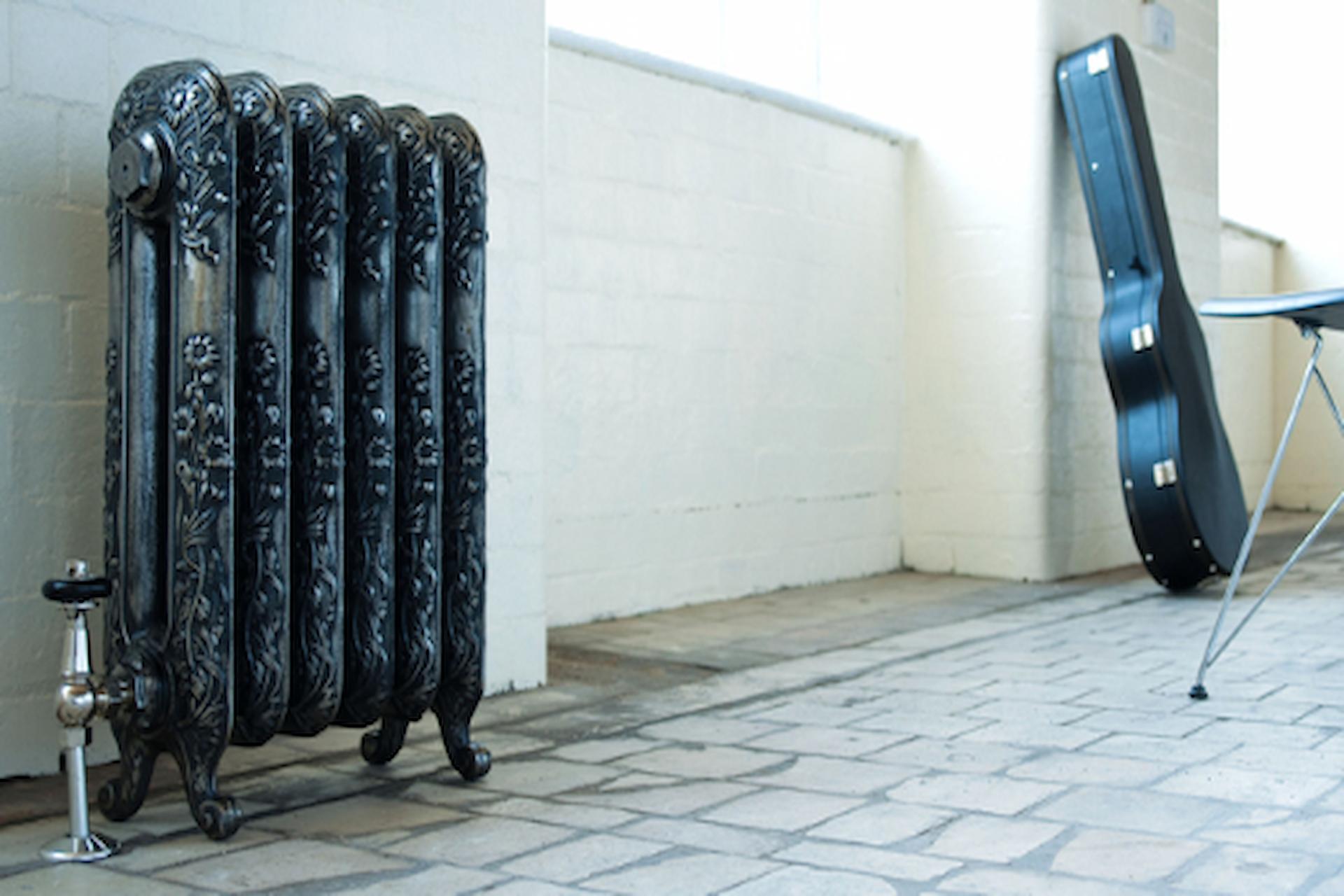
Cast iron radiators, by comparison, are formed through a moulding process that results in thick, heavy sections. The material’s density provides excellent structural integrity but adds considerable weight, often requiring floor support or reinforced wall fixings. This fundamental difference in manufacturing affects everything from handling during installation to long-term durability.
Heat Transfer Characteristics
Steel panels excel at quick heat emission thanks to their thinner profiles and larger surface areas designed for convection. They respond swiftly when the heating system activates, making them ideal for rooms where you need warmth on demand, such as living areas used intermittently.
Cast iron units rely more on radiant heat due to their mass. They absorb energy gradually and release it steadily over extended periods. This thermal inertia suits properties where consistent background warmth matters, though it can mean longer initial warm-up times.
Performance and Efficiency Comparison
Modern heating demands have shifted focus towards responsiveness and energy management. Steel panel radiators align well with these needs through faster cycling, which pairs effectively with programmable thermostats and smart controls. Their lower water content also reduces the energy required to reach operating temperature.
Cast iron radiators perform strongly in heat retention, continuing to warm spaces after the boiler shuts off. However, this advantage depends on adequate sizing and proper system balancing to avoid overheating or inefficiency.
Sizing and Output Considerations
Output ratings, measured in watts or BTUs, vary between types even for similar physical dimensions. Steel panels often achieve higher outputs per square metre because of their finned designs. Always calculate requirements based on room size, insulation levels, and window areas for accurate performance.
Stelrad offers extensive sizing options with detailed heat output data, allowing precise matching to individual room needs. Their range demonstrates how steel technology has evolved to meet diverse domestic requirements without compromising on quality.
Installation and Practical Factors
Weight differences significantly influence installation. Steel panel radiators prove straightforward to mount on standard walls, often manageable by one person with basic tools. Their compact profiles fit neatly into tighter spaces common in modern extensions or refurbishments.
Cast iron models demand careful planning due to their bulk. Professional handling becomes essential to prevent damage to floors or walls, and older properties may need assessment for structural suitability.
Maintenance Requirements
Both types benefit from regular system flushing to remove sludge, but steel panels generally feature smoother internal surfaces that resist debris accumulation when properly treated. Annual bleeding and inhibitor checks keep them performing optimally.
Cast iron radiators may develop internal corrosion over decades if water quality falters, though their thick walls provide a buffer against leaks compared to thinner materials.
- Key advantages of steel panel radiators:
- Rapid heating and cooling for better temperature control
- Lighter weight for easier installation and repositioning
- Sleek, space-saving designs suitable for contemporary interiors
- Lower initial purchase and running costs in many scenarios
- Wide range of sizes and configurations available
- Compatible with modern energy-efficient boilers
- Notable benefits of cast iron radiators:
- Superior long-term heat retention after boiler shutdown
- Timeless aesthetic that complements period properties
- Exceptional durability with potential lifespans exceeding 50 years
- Steady radiant warmth that reduces temperature fluctuations
- Robust construction resistant to physical damage
- Lower susceptibility to certain forms of corrosion
Aesthetic and Design Flexibility
Steel panel radiators present clean lines and minimal profiles that blend seamlessly into minimalist or modern schemes. Available in various colours and with options for flat panels or double configurations, they adapt readily to different decorative styles without dominating the room.
Cast iron versions bring character through their column designs and ornate detailing. Many homeowners choose them specifically to enhance heritage features or create focal points in traditional settings.
Cost Implications Over Time
Initial investment for steel panels tends to sit lower, with savings extending to delivery and fitting expenses. Their efficiency with contemporary heating systems can further reduce fuel bills, particularly in well-insulated homes with shorter occupancy patterns.
Cast iron radiators involve higher upfront costs but may deliver better value in properties occupied continuously, where their retention qualities minimise boiler runtime. Factor in potential future maintenance when comparing total ownership expenses.
Environmental Considerations
Steel production increasingly incorporates recycled materials and lower-carbon processes, supporting sustainability goals. Their compatibility with heat pumps and condensing boilers makes them forward-looking choices for reducing carbon footprints.
Cast iron’s longevity represents an environmental strength, as fewer replacements mean reduced manufacturing impact over decades. However, their greater weight increases transport emissions during delivery.
Choosing the Right Option for Your Home
Consider your property type, usage patterns, and heating system when deciding. Modern homes with good insulation and variable occupancy often benefit most from steel panel radiators. Older buildings with solid walls and constant use might favour cast iron’s traditional strengths.
Professional advice ensures optimal selection, taking account of heat loss calculations and system compatibility. Many suppliers provide guidance on combining both types within the same property for tailored performance.
Making the Smart Heating Choice
Steel panel radiators deliver speed, style, and efficiency that suit today’s lifestyles, while cast iron options provide enduring warmth and heritage charm. By weighing heat response, installation ease, and long-term costs, you can identify the solution that best matches your needs. Whether upgrading a single room or planning a full system refresh, informed choices create comfortable, economical heating for years ahead.